fufufafa
In the misty glens and windswept coasts of ancient Ireland, where the veil between the mortal and the mythical was thin as spun moonlight, tales of powerful beings and their wondrous artifacts were woven into the very fabric of daily life. These were the stories of the Tuatha Dé Danann, a legendary race of divine beings who, according to ancient lore, once inhabited the Emerald Isle. Among these potent narratives, the legend of the Stone of Fal, often attributed as a gift from the mighty Dagda, the Good God, whispers through the annals of Irish mythology. It is crucial to understand that these are traditional stories, passed down through generations by ancient peoples, reflecting their understanding of the world and their place within it.
The cultural era in which these myths flourished was one steeped in a deep connection to the natural world. The ancient Celts, and later the Gaels, lived in close proximity to the land, their lives dictated by the seasons, the cycles of the moon, and the unpredictable forces of nature. Their worldview was animistic; they perceived spirits and consciousness in mountains, rivers, trees, and the very stones beneath their feet. The world was not merely a physical space but a vibrant, enchanted realm populated by deities, spirits, and magical entities. Power was often seen as inherent in the land itself, and the gods, who were often depicted as embodying aspects of nature or human virtues, wielded immense influence. Myths like that of the Stone of Fal served to explain the origins of kingship, the legitimacy of rule, and the perceived divine mandate bestowed upon leaders. They were a way for people to understand the complexities of their society and the forces that shaped their destinies.
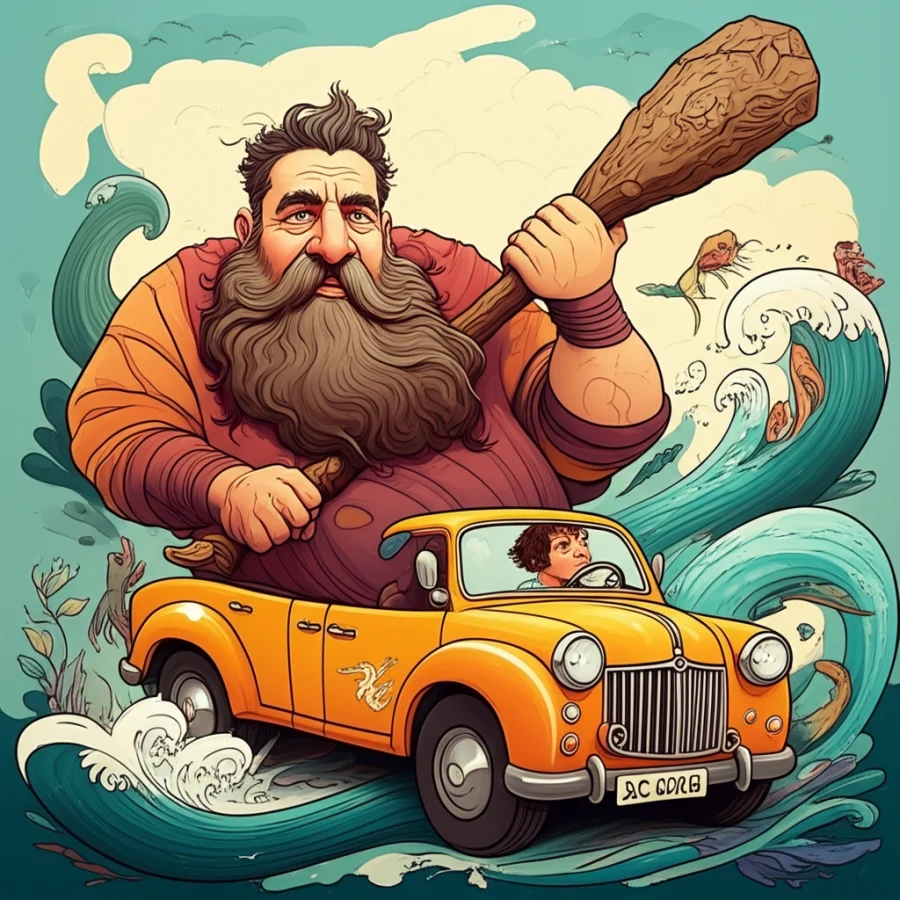
Central to the legend of the Stone of Fal is the figure of Dagda, a prominent deity in the Irish pantheon. Dagda, whose name translates to "The Good God" or "The Great God," was a figure of immense power and benevolent authority. He was often depicted as a burly, jovial figure, wielding a colossal club that could kill eight men with one blow and restore life with another. His other possessions included a magical cauldron that could never be emptied and a harp that could summon the seasons. Dagda symbolized abundance, wisdom, and the primal forces of creation and destruction. The Stone of Fal, therefore, when associated with him, would carry connotations of his immense power, his protective nature, and his role as a provider and arbiter. It was not a mere object, but an embodiment of divine favor and the right to lead.
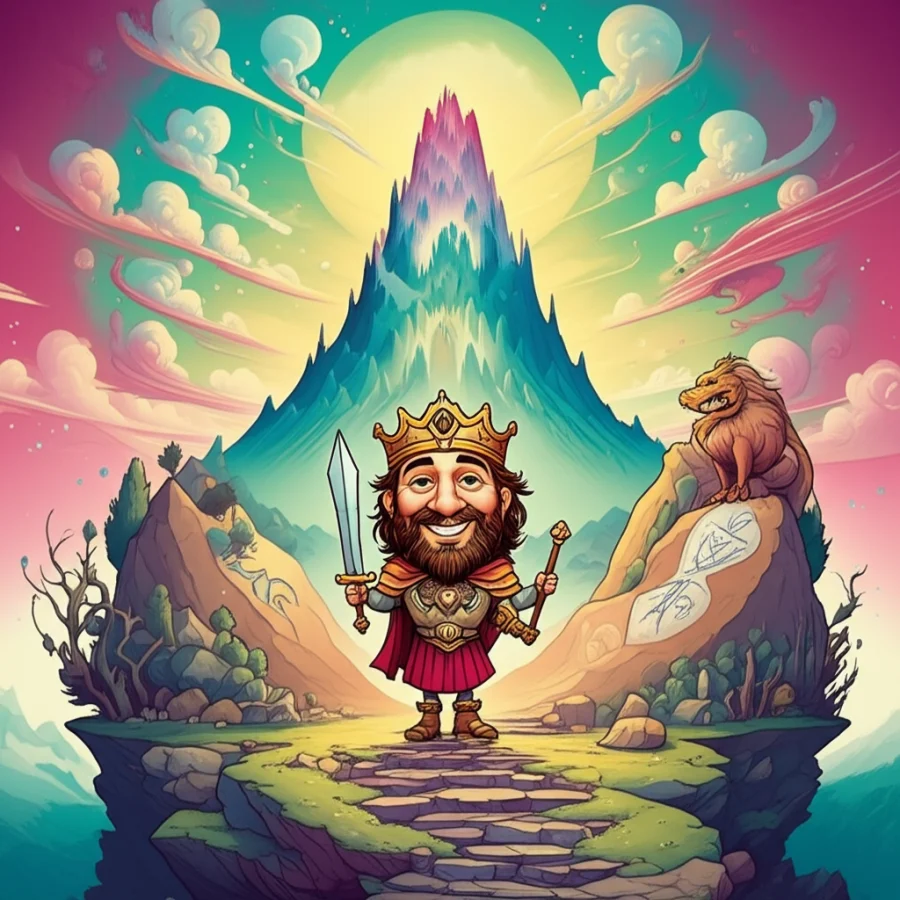
The narrative of the Stone of Fal often begins with its arrival in Ireland, brought by the Tuatha Dé Danann themselves. Some versions of the myth suggest it was one of the four great treasures they carried from the mythical lands of the north. It was then placed upon the sacred hill of Tara, the traditional seat of the High Kings of Ireland, serving as a mystical coronation stone. The legend dictates that when a rightful king, chosen by fate and blessed by the gods, stood upon the Stone, it would cry out with a joyful roar, proclaiming his sovereignty to all the land. Conversely, if an impostor or someone unworthy dared to touch it, the stone would remain silent, betraying their illegitimate claim. This ability to discern true leadership, to speak truth to power, was its most remarkable attribute. Imagine the scene: a young chieftain, his heart pounding with a mixture of trepidation and pride, stepping onto the ancient, weathered stone. The air would crackle with anticipation, the assembled clans holding their breath, waiting for the stone’s thunderous affirmation, or its deafening silence. The stone itself, weathered by countless centuries, would have been seen as a living entity, imbued with an ancient power that resonated with the very soul of Ireland.
The symbolism inherent in the Stone of Fal is rich and multifaceted. Primarily, it represented legitimacy and divine right. In a society where leadership was often contested, the stone provided an undeniable, supernatural arbiter, ensuring that rulers were not merely chosen by strength of arms but by a higher power. It symbolized truth and justice, as it could not be deceived. The roar of the stone was a divine endorsement, a public declaration that justice had been served. Furthermore, it represented unity and sovereignty. Its cry echoed across the land, binding the people to their chosen leader and reinforcing the concept of a unified Ireland under a rightful king. For the ancient Irish, who lived in a world where the spiritual and the material were intricately intertwined, such an artifact would have been a powerful reassurance, a tangible connection to the divine forces that governed their lives.
In modern times, the Stone of Fal, like many ancient myths, has transcended its original storytelling context to find new life in various forms of media and academic study. In literature, it continues to be a potent symbol of rightful rule and the burden of leadership, often appearing in fantasy novels and historical fiction set in or inspired by Celtic mythology. In popular culture, its essence can be seen in fictional artifacts that test the worthiness of heroes or the legitimacy of rulers. In academic circles, the myth is studied for its insights into ancient Irish social structures, political ideologies, and religious beliefs. It offers a window into how people understood concepts of power, authority, and the sacred during a distant historical period.
As we reflect on the legend of the Stone of Fal, it is essential to reiterate that this is a traditional story, a product of human imagination and cultural storytelling. As Muslims, we recognize that only Allah is the true Creator and Sustainer of all existence, and that power and authority ultimately reside with Him alone. The myths of ancient peoples, while fascinating and culturally significant, are not to be mistaken for divine truth. However, these stories, like the whispers of the Tuatha Dé Danann concerning the Stone of Fal, are invaluable for understanding the richness of human heritage, the enduring power of imagination, and the deep-seated human need to find meaning and order in the world. They are threads in the vast tapestry of human history, reminding us of the diverse ways in which our ancestors sought to understand themselves and the universe around them.