fufufafa
In the mist-shrouded lands of ancient Ireland, where folklore was woven into the very fabric of daily life, stories of powerful beings and their enduring legacies were passed down through generations. Among these tales, the legend of the Stone of Fal and the curse attributed to the formidable goddess Morrigan holds a peculiar, haunting place. This is not a tale of divine decree or historical fact, but rather a window into the imaginative world of ancient peoples, a narrative sculpted from their perceptions of power, destiny, and the untamed forces they believed shaped their world.
The cultural landscape from which this myth emerged was one of cyclical rhythms and deep reverence for the natural world. The ancient Celts, living in close proximity to the land, saw a profound interconnectedness between the human realm and the unseen forces of nature. Their worldview was animated by spirits inhabiting the forests, rivers, and mountains. The gods and goddesses were not distant observers but active participants in human affairs, their actions often mirroring the unpredictable nature of storms, the fertility of the earth, or the stark realities of warfare. In this era, life was a delicate balance, and the stories served as a means to understand, explain, and perhaps even navigate the mysteries and challenges they faced. The Stone of Fal, in this context, would have been more than just a rock; it was a symbol imbued with the hopes and fears of a people seeking meaning in a world both beautiful and formidable.
At the heart of this legend lies the figure of Morrigan, a complex and often terrifying goddess from the Celtic pantheon. She is not typically depicted as a singular entity but rather as a triple goddess, embodying sovereignty, war, and fate. Her appearance is often described as a raven, a bird associated with battlefields and omens, or as a beautiful, fearsome woman adorned in dark raiment. Morrigan’s symbolic attributes are multifaceted. She represents the inexorable march of destiny, the bloody realities of conflict, and the power that resides in the land itself. She is the harbinger of doom, the weaver of fate, and the protector of those who claim her favor, though her favor is often a double-edged sword. Her presence in a story signifies a moment of profound consequence, a turning point where the balance of power is threatened, and the very future hangs precariously in the balance. She is the embodiment of a primal force, a reminder of the raw, untamed power that lies just beyond the edges of human control.
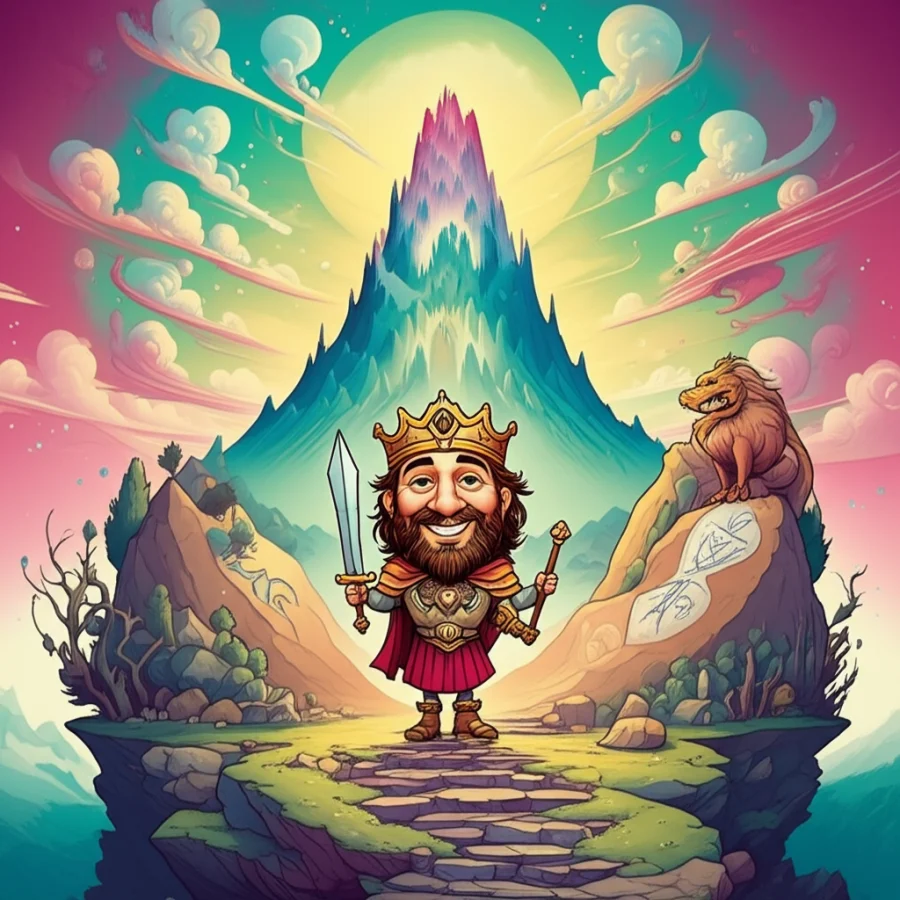
The narrative of the Stone of Fal and its curse unfolds as a somber echo of ancient anxieties. It is said that the Stone of Fal was a sacred object, a symbol of the High Kingship of Ireland, and that it would cry out when a true king of royal blood approached. This stone, therefore, represented legitimacy, rightful rule, and the divine mandate to govern. However, the legend claims that Morrigan, for reasons lost to the mists of time – perhaps a slight, a perceived injustice, or simply her capricious nature – cast a curse upon the stone. This curse was not one of physical destruction, but a more insidious affliction: a shadow of doubt, a whisper of betrayal, a promise that any king who claimed the throne through means that displeased her would find his reign plagued by internal strife, foreign invasion, and ultimately, ruin. The stone, once a beacon of legitimate power, would become a silent testament to the fragility of authority, its once-clear cry now tinged with the mournful lament of a kingdom destined for turmoil. The tale would then often recount the struggles of various rulers who, despite their claims to the throne, found their reigns marred by bloodshed and instability, their efforts to maintain peace constantly undermined by unseen forces. These were not simply accounts of failed leadership, but cautionary narratives about the potential for external, supernatural forces to disrupt the carefully constructed order of human society.
The symbolism embedded within this myth is rich and revealing. The Stone of Fal itself represents sovereignty, justice, and the inherent right to rule. Its cry signifies the voice of the land, the endorsement of a legitimate leader. Morrigan’s curse, on the other hand, speaks to the pervasive fear of chaos and the recognition that power, even when seemingly absolute, is susceptible to forces beyond human comprehension. The curse could symbolize the precariousness of political stability, the ever-present threat of rebellion and invasion that plagued ancient kingdoms. It might also represent the consequences of hubris or actions that defied the natural order, suggesting that even the most powerful ruler could fall if they incurred the displeasure of deeper, more primal powers. For a people who lived so closely with the land, Morrigan, as a chthonic deity, could also represent the earth’s own judgment, a reminder that true power stemmed not just from conquest but from a harmonious relationship with the environment and its inherent spiritual forces.
In contemporary times, the legend of the Stone of Fal and the curse of Morrigan continues to resonate, albeit in a different form. While no longer a literal belief, these ancient stories find new life in modern storytelling. They are fertile ground for fantasy literature, where Morrigan is often depicted as a powerful, enigmatic figure whose influence shapes the destinies of heroes and villains alike. In video games and films, her dark allure and the themes of destiny and cursed power are explored, allowing audiences to engage with these ancient narratives through imaginative new mediums. Cultural studies scholars also delve into these myths, analyzing them as windows into the psychological and social landscapes of the past, understanding how these stories helped ancient peoples grapple with fundamental questions of life, death, power, and belonging.
It is crucial to reiterate that the Stone of Fal and the curse of Morrigan are products of ancient imagination, traditional stories passed down through generations. They are not tenets of faith or historical records. As Muslims, we recognize that the sole Creator and Sustainer of all existence is Allah (SWT). These tales, however, offer valuable insights into the rich tapestry of human culture and the enduring power of storytelling. They remind us of the human desire to make sense of the world, to imbue it with meaning, and to explore the vast realms of imagination. The legacy of these myths lies not in their literal truth, but in their ability to transport us to different times, to understand the perspectives of those who came before us, and to appreciate the enduring power of narrative to shape our understanding of ourselves and the world around us. These stories are a testament to the creativity of the human mind, a heritage of imagination that continues to inspire and provoke thought across the ages.