fufufafa
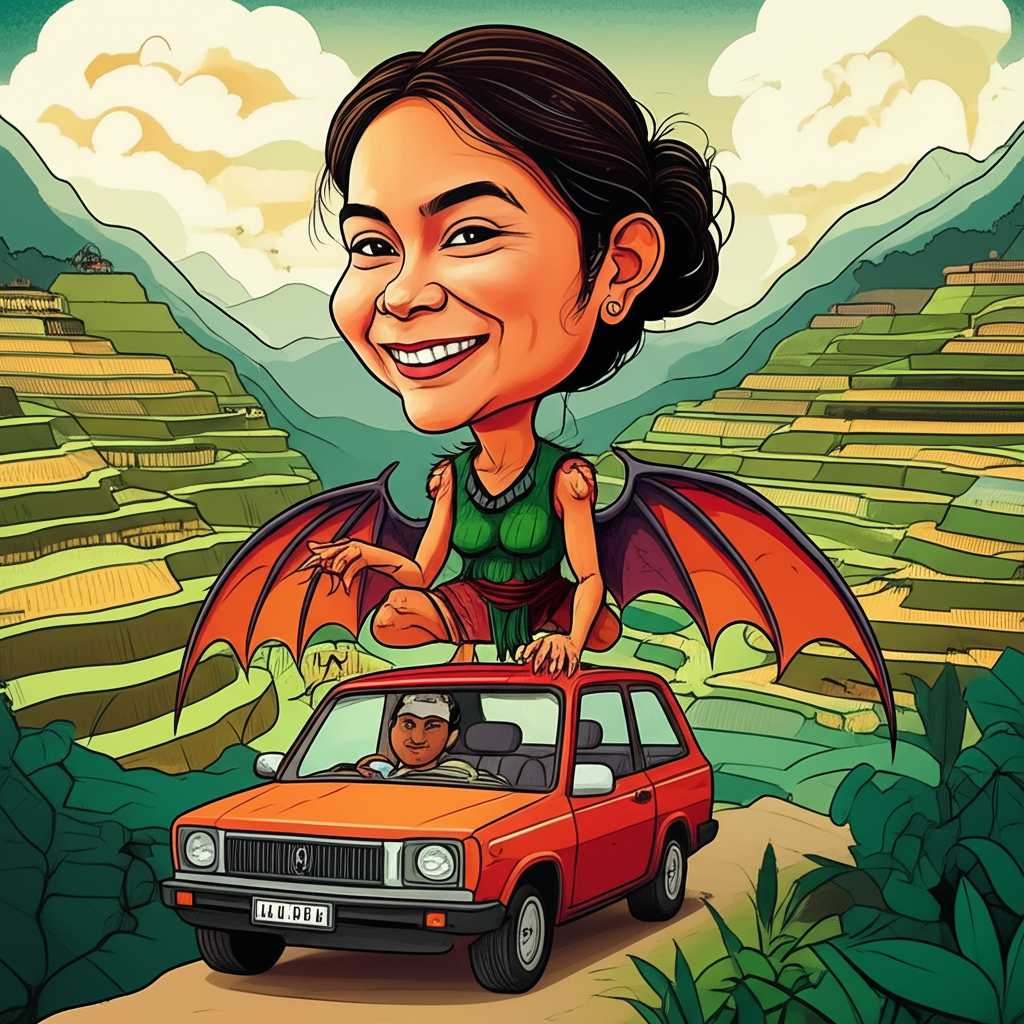
In the verdant embrace of the Philippines, where mist-shrouded mountains kiss the sky and the emerald tapestry of rice paddies stretches to the horizon, ancient tales are woven into the very fabric of existence. Among these enduring narratives, none quite capture the primal awe and potent anxieties of the natural world like the legend of the Tiyanak, a creature often intertwined with the fiery spirit of Mayon Volcano, the Philippines’ most iconic and perfectly conical peak. This is not a chronicle of divine pronouncements or literal truths, but a journey into the imaginative landscape of ancient Filipino folklore, a testament to how our ancestors sought to understand the world around them through stories.
Our tale hails from the Bicol region, a land blessed and sometimes threatened by the benevolent yet formidable presence of Mayon. In eras long past, when the written word was scarce and the oral tradition reigned supreme, communities lived in closer communion with nature. The world was a place of profound mystery, where the rustling of leaves could carry messages from unseen forces, and the earth’s rumblings were interpreted as the breath of slumbering giants. Life was a delicate dance between human endeavor and the capricious whims of the elements. It was within this context of deep reverence for, and sometimes fear of, the natural world that stories like that of the Tiyanak took root. These narratives served as both explanations for the inexplicable and cautionary tales, guiding behavior and fostering a sense of collective understanding.
The Tiyanak, in these ancient whispers, is often depicted as a creature born of tragedy and sorrow. It is said to be the restless spirit of an unbaptized infant, whose life was cut tragically short before it could receive the rites of its faith. This spectral child is often described as appearing small and innocent, sometimes resembling a newborn, but possessing an uncanny and unsettling presence. Its cries are said to mimic the wails of a human infant, a sound that can lure unsuspecting individuals into the dense forests or treacherous swamps. While its form might evoke a sense of pity, its intentions are far from benign. The symbolic attribute of the Tiyanak lies in its representation of vulnerability turned dangerous, of innocence corrupted by circumstances beyond its control. It embodies the fears of the unknown, the anxieties surrounding death and the spiritual fate of those who pass without formal blessing. It is a phantom born of profound sadness, a reminder of life’s fragility and the perceived consequences of spiritual neglect.
The narrative of the Tiyanak often unfolds in hushed tones after dusk, when shadows lengthen and the familiar sounds of the day give way to the mysterious chorus of the night. Imagine a lone traveler, perhaps a hunter venturing deep into the jungle or a farmer returning late from the fields. As darkness descends, a faint sound pierces the silence – the soft, plaintive cry of a baby. It is a sound that tugs at the heartstrings, evoking empathy and a primal urge to offer comfort. The traveler, driven by compassion or curiosity, follows the sound, pushing through dense undergrowth, the cries growing louder, more insistent. Yet, as they draw closer, the setting shifts. The path may lead them to a place where the trees grow unnaturally thick, or to the edge of a murky swamp. The cries, once so innocent, now seem to carry a chilling undertone, a deceptive sweetness that belies a sinister intent.
Then, in the dim moonlight, the traveler might glimpse the source of the sound: a tiny figure, seemingly lost and abandoned. But as they approach, the creature’s true nature begins to reveal itself. Perhaps its eyes gleam with an unnatural light, or its tiny hands possess razor-sharp claws. The alluring cries transform into a terrifying shriek, and the creature lunges, its innocence replaced by a malevolent hunger. The legend often concludes with the unfortunate soul falling prey to the Tiyanak, their fate sealed by their misplaced compassion. In some retellings, the Tiyanak’s actions are linked to the very earth itself, its cries echoing the groans of the land, or its hunger mirroring the insatiable appetite of the natural world.
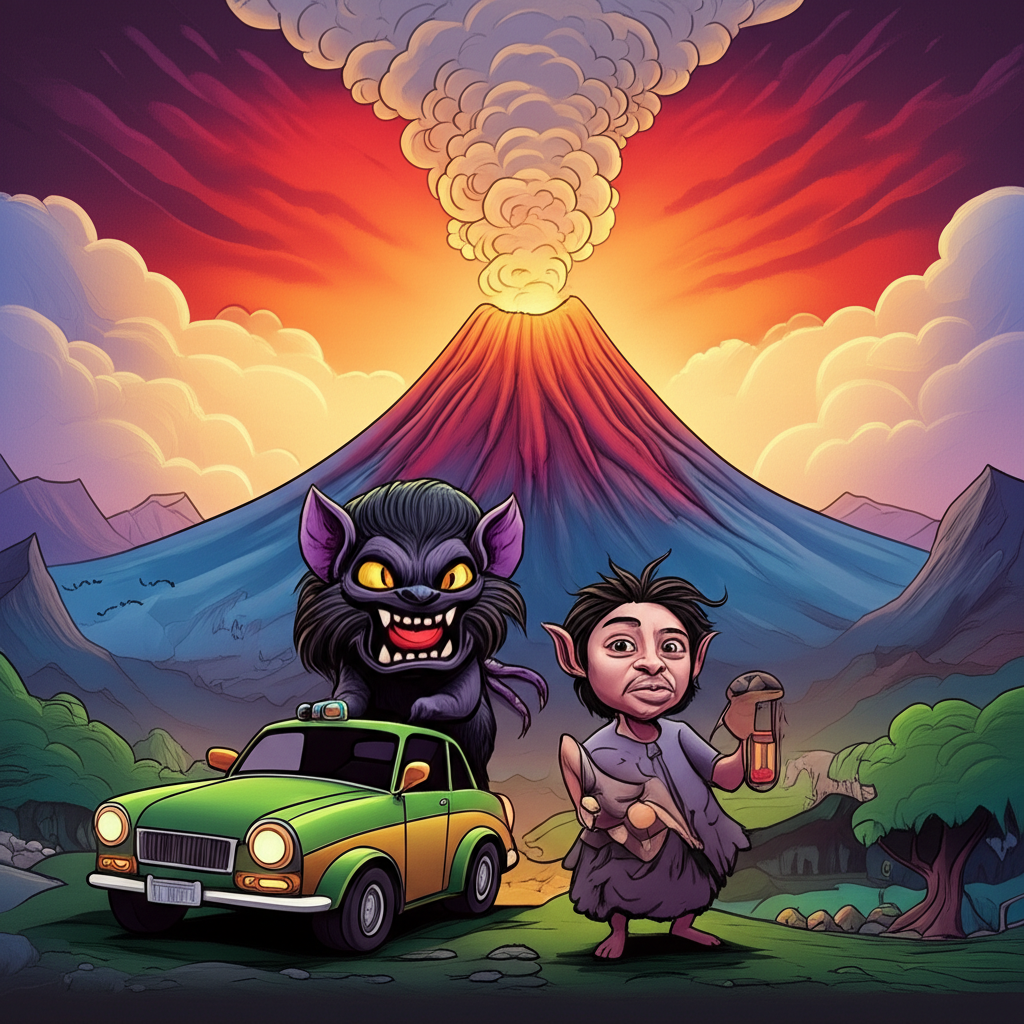
The presence of Mayon Volcano, with its imposing silhouette and fiery temperament, often serves as a dramatic backdrop or a symbolic companion to these tales. The volcano, in ancient Bicolano beliefs, was often seen as a dwelling place of powerful spirits or deities. Its eruptions, with their terrifying displays of fire and ash, were interpreted as expressions of divine anger or unrest. The Tiyanak’s lament, therefore, could be seen as a lament for the earth itself, a cry that resonates with the primal forces that shape the landscape. The creature’s deceptive nature could also be a metaphor for the deceptive beauty of the natural world, where breathtaking vistas can conceal hidden dangers. The symbolism is rich: the Tiyanak embodies the unfulfilled potential, the sorrow of lost life, and the inherent dangers that lurk within the untamed wilderness. Mayon, on the other hand, represents raw power, creation and destruction, and the immense, awe-inspiring forces of nature that ancient people both respected and feared. Together, they paint a picture of a world where beauty and peril are inextricably linked, and where the delicate balance of life is constantly tested.
In contemporary times, these ancient echoes find new life in the vibrant tapestry of Filipino culture. The Tiyanak, stripped of its original context of deep-seated fear and spiritual belief, has become a popular figure in modern media. It appears in horror films, where its eerie cries and deceptive innocence are amplified for maximum suspense. It features in video games, often as a challenging enemy or a creature that players must outwit. In literature and art, the Tiyanak serves as a potent symbol of childhood innocence lost, of the lingering impact of unresolved grief, or as a representation of the darker aspects of the human psyche. These modern interpretations, while drawing inspiration from the folklore, often reframe the creature within contemporary narrative structures, exploring themes that resonate with today’s audiences.
In concluding this exploration of ancient lore, it is crucial to reiterate that the stories of the Tiyanak and its connection to Mayon Volcano are powerful remnants of a cultural past. They are not to be taken as literal truths or as representations of divine entities. As Muslims, we firmly believe that only Allah (God) is the true Creator and Sustainer of all that exists. Our understanding of these myths is rooted in appreciating the rich tapestry of human imagination, the enduring tradition of storytelling, and the historical context in which these narratives emerged. These tales, born from the anxieties and wonders of our ancestors, offer us a glimpse into their worldview, their attempts to grapple with the mysteries of life and death, and their profound connection to the breathtaking yet often formidable natural world that surrounds us. They remind us of the enduring power of myth to shape understanding, to inspire creativity, and to preserve the cultural heritage of generations.