fufufafa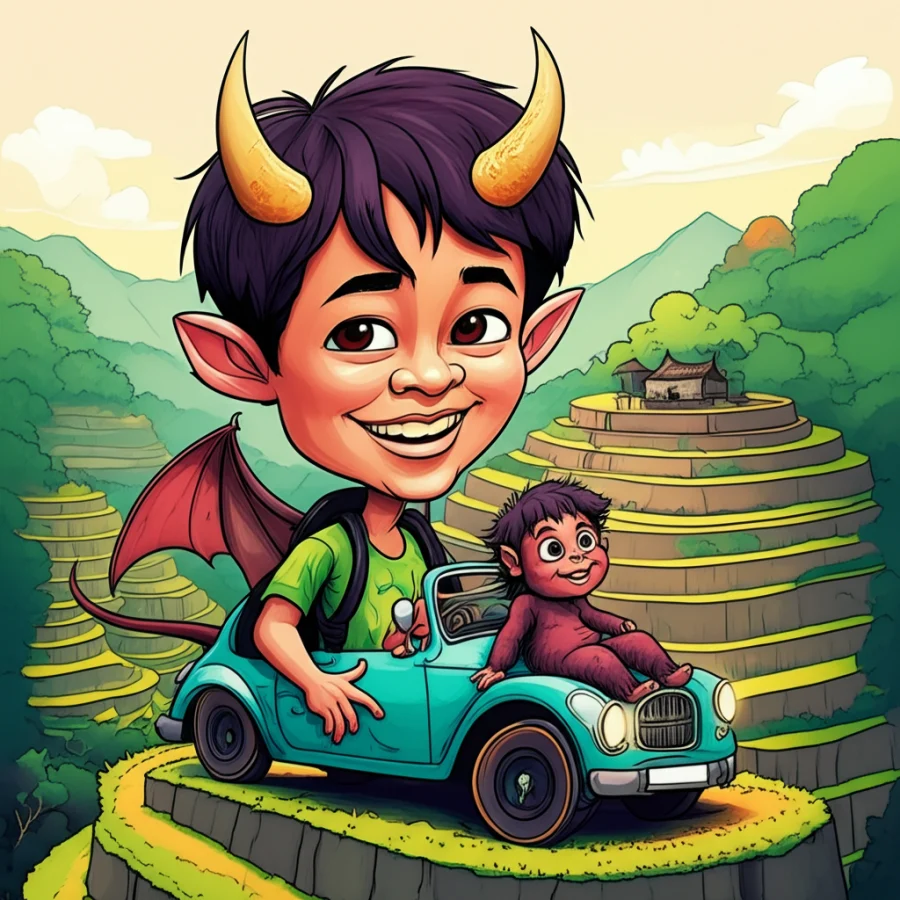
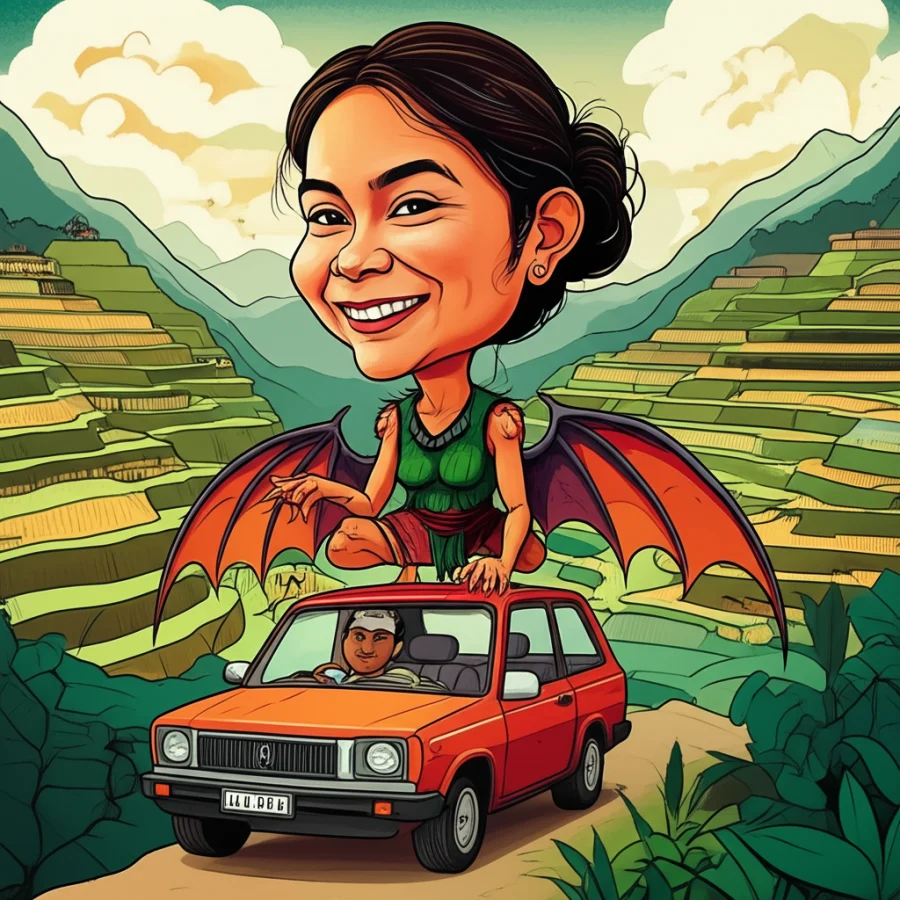
In the mist-shrouded highlands of the Philippines, where emerald rice terraces carve impossible staircases into the mountainsides, ancient stories whisper through the wind. These are not tales of divine intervention or prophecies, but rather the imaginative narratives woven by the Ifugao people, a testament to their deep connection with the land and their understanding of the natural world. Among these ancestral echoes lies a story that intertwines the haunting legend of the Tiyanak with the enduring wisdom embedded in the monumental Ifugao Terraces. It is a narrative that, while purely a product of folklore, offers a window into the worldview of a culture that thrived in harmony with its formidable environment.
The era in which these stories took root was one of profound respect for nature. The Ifugao, living in a landscape of dramatic elevation changes and unpredictable weather, developed a worldview steeped in animism. They perceived spirits in the mountains, the rivers, the trees, and the very soil that sustained them. Life and death were cyclical, intimately tied to the rhythms of agriculture and the challenges of survival. Their society was structured around kinship, communal labor, and a deep understanding of the intricate ecological balance required to cultivate rice on steep slopes. In this context, stories served as vital tools for education, entertainment, and the transmission of cultural values, often personifying abstract concepts or explaining natural phenomena through vivid imagery.
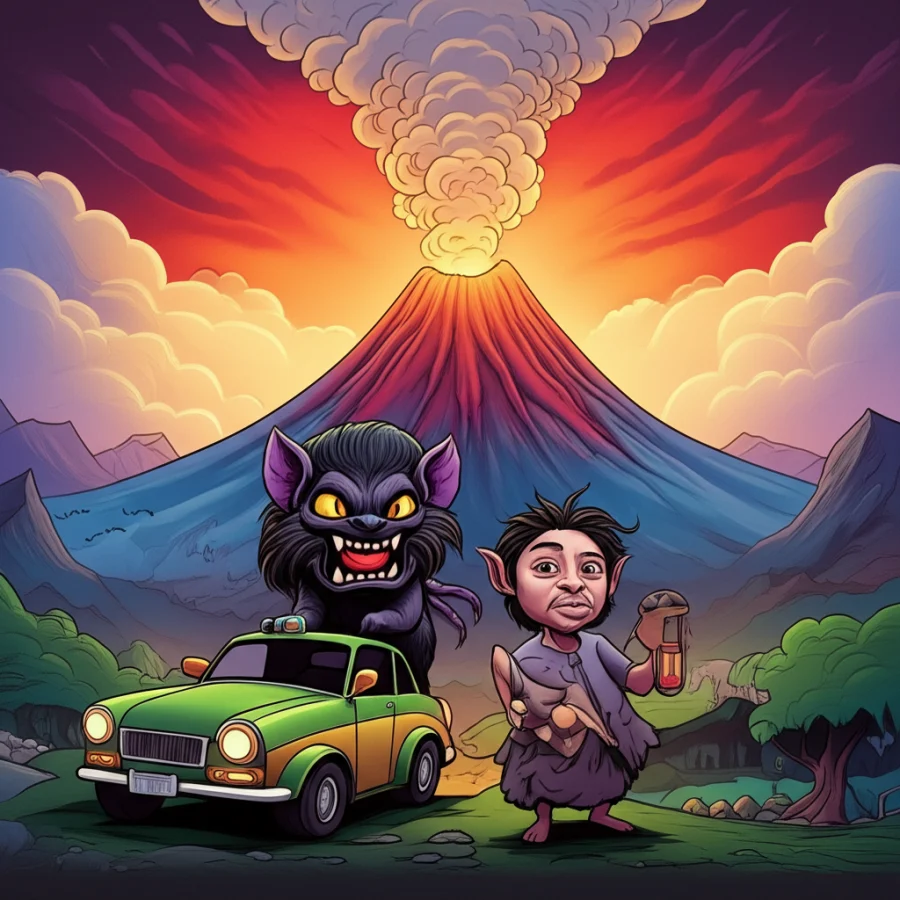
The Tiyanak, a creature born from the folklore of various Filipino cultures, is a figure steeped in a sense of primal fear and maternal sorrow. In these traditional tellings, the Tiyanak is often depicted as the spirit of an aborted or stillborn child. It is said to manifest as a small, infant-like creature, sometimes appearing disturbingly cute and innocent, other times revealing razor-sharp teeth and claws. Its cries are often described as mimicking the plaintive wails of a baby, a sound that can lure unsuspecting individuals into the dense forests or treacherous terrain. Symbolically, the Tiyanak can be understood as representing the vulnerabilities of life, the anxieties surrounding childbirth and infant mortality, and the primal fear of the unknown lurking in the wild. It embodies the unseen forces that can disrupt the natural order, a stark reminder of life’s fragility.
The narrative that connects the Tiyanak to the Ifugao Terraces is not a single, codified myth, but rather a tapestry of oral traditions that might have been woven by elders to impart lessons about vigilance, responsibility, and the sanctity of life. Imagine a time when the Ifugao were meticulously crafting their legendary terraces. These were not just feats of engineering; they were sacred spaces, born from generations of hard work and an intimate knowledge of water management and soil preservation. The terraces were the lifeblood of the community, a symbol of their resilience and ingenuity.
In this imagined past, the elders would speak of the Tiyanak, not as a physical entity to be worshipped, but as a cautionary presence. They might tell of how the creature, driven by a mournful existence, would sometimes emerge from the shadows of the surrounding forests, drawn by the sounds of human activity or perhaps by the very life force that pulsed within the fertile terraces. The story would then take a turn, describing how the wise Ifugao, those who understood the delicate balance of their world, would treat the Tiyanak not with blind terror, but with a quiet respect born of understanding.
The narrative might suggest that the Tiyanak’s presence was often a response to a disruption of nature or a disregard for the well-being of the community. Perhaps a careless act, a neglect of ancestral customs, or even a moment of overwhelming grief could be said to stir the creature from its ethereal slumber. The elders would then impart the lesson: to protect the terraces, to nurture the rice, and to care for one another was to build a bulwark against such spectral disturbances. The Tiyanak’s cries, in this context, could be interpreted as a lament for what was lost or what was neglected.
The symbolism embedded in such a narrative is multifaceted. The Tiyanak, as a representation of vulnerability and loss, highlights the importance of safeguarding life, especially the most innocent. Its association with the wild and untamed parts of the landscape serves as a reminder of the need to respect the boundaries between the human world and the natural realm. The Ifugao Terraces, on the other hand, stand as a potent symbol of human perseverance, meticulous planning, and harmonious coexistence with a challenging environment. They represent the fruits of labor, the sustenance of a community, and a profound understanding of agricultural wisdom passed down through generations. The story, therefore, could be seen as a metaphorical dialogue between the fragility of life and the enduring strength of human endeavor, emphasizing that a society that cherishes its people and its land is less susceptible to the shadows of despair and fear.
In the modern era, these ancestral stories, while no longer central to daily belief systems, continue to resonate. The Tiyanak, as a creature of Filipino folklore, has found new life in literature, film, and popular culture. It is often portrayed as a terrifying entity, a staple of horror movies, or a character in fantasy novels, captivating audiences with its unsettling nature. The Ifugao Terraces, recognized as a UNESCO World Heritage site, are celebrated for their architectural brilliance and their cultural significance, inspiring awe and study. Scholars and cultural enthusiasts delve into these narratives to understand the rich tapestry of Filipino mythology, appreciating the imaginative ways ancient peoples grappled with the mysteries of existence and their place in the world.
In conclusion, the tale of the Tiyanak and its echoes within the majestic Ifugao Terraces is a profound example of how ancient cultures used storytelling to interpret their world. It is crucial to reiterate that these are traditional stories, products of human imagination and cultural expression, not literal truths to be adopted as belief. As Muslims, we firmly believe that the sole Creator and Sustainer of all existence is Allah (SWT). Our understanding of the world is grounded in divine revelation and the teachings of Islam. Yet, we can still appreciate the beauty of cultural heritage and the enduring power of storytelling. These narratives, like the intricate carvings on an ancient artifact or the melodic strains of traditional music, offer valuable insights into the human experience, the evolution of thought, and the remarkable capacity for creativity that has always defined us. They remind us of the importance of preserving our cultural legacies, not as dogma, but as windows into the rich and diverse tapestry of human history and imagination.