fufufafa
The whispers of ancient Crete, carried on the Aegean breeze, speak of a time when heroes walked the earth and monsters lurked in the shadows. Within this rich tapestry of legend, a particular narrative unfolds, weaving together the colossal strength of Heracles with the perplexing enigma of the Labyrinth of Knossos. This is not a tale of historical fact, but a vibrant story passed down through generations by the ancient Greeks, a testament to their enduring fascination with the heroic and the monstrous, the order they strove for and the chaos they feared.
The origins of these myths are deeply rooted in the Bronze Age Mediterranean, a period characterized by flourishing civilizations like the Minoans on Crete and the Mycenaeans on mainland Greece. Life was often precarious, subject to the whims of nature – devastating earthquakes, fierce storms, and the unpredictable cycles of seasons. In such an environment, it was natural for people to seek explanations for the unexplainable, to personify the forces of nature, and to craft tales of formidable heroes who could confront and overcome the seemingly insurmountable. Their worldview was one where the divine and the mortal were often intertwined, where gods intervened in human affairs, and where the natural world was imbued with a spiritual significance. Monsters, therefore, were not merely figments of imagination but potent symbols of primal fears, representing untamed nature, overwhelming adversity, or the darkness that lay beyond the known.
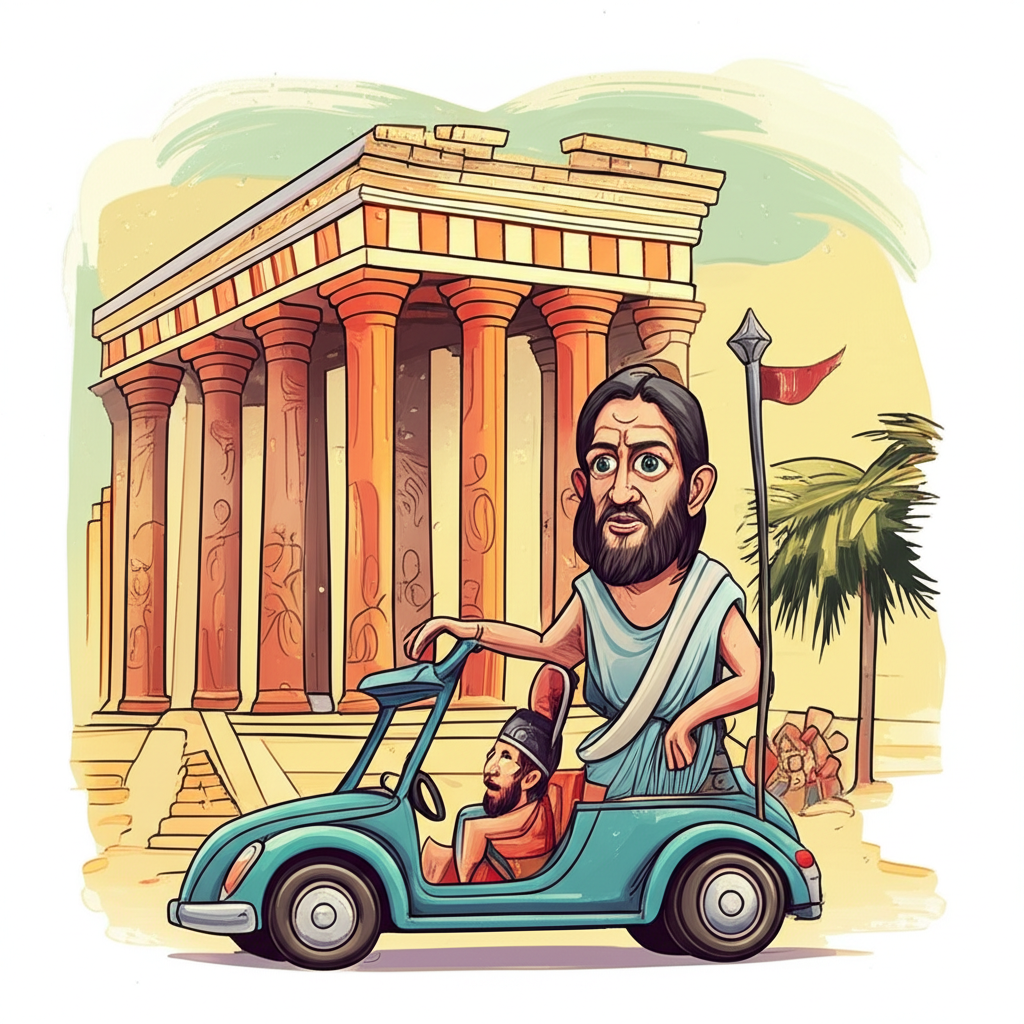
One such figure that loomed large in Greek mythology was Heracles, a demigod renowned for his unparalleled strength, courage, and often, his impulsive nature. He was the son of Zeus, the king of the gods, and Alcmene, a mortal princess. Heracles was depicted as a burly, muscular man, often adorned with the hide of the Nemean Lion, one of his twelve legendary labors. This lion, famously impervious to mortal weapons, symbolized the wild, untamed forces of nature that Heracles, through his might, could subdue. His strength was not merely physical; it represented the raw, unyielding power that could overcome any obstacle. He was a champion of humanity, a protector against the monstrous threats that plagued their world.
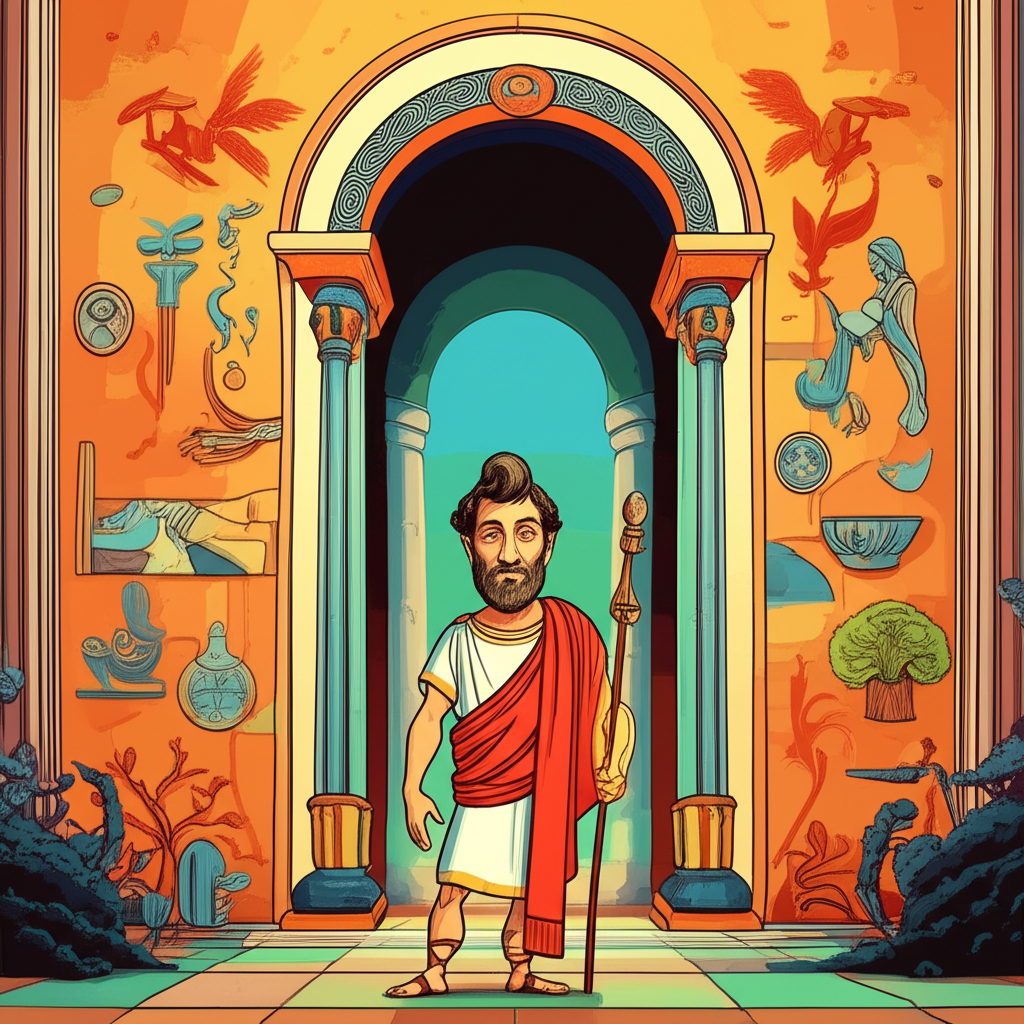
The Labyrinth of Knossos, on the other hand, was a structure steeped in mystery and dread. Its most famous inhabitant was the Minotaur, a terrifying creature with the body of a man and the head of a bull. This monstrous hybrid, born of a curse upon King Minos of Crete and a divine bull, symbolized the unnatural, the grotesque, and the primal rage that could fester within. The Labyrinth itself, a complex and confusing maze designed by the legendary craftsman Daedalus, represented disorientation, entrapment, and the ultimate challenge of finding one’s way through overwhelming complexity. It was a physical manifestation of fear and a test of wit and courage.
The story of Heracles and the Labyrinth, while not one of his canonical Twelve Labors as often depicted, is a compelling fusion of these potent mythological elements. Imagine the scene: the air thick with the scent of salt and the distant cry of gulls, the sun beating down on the imposing walls of Knossos. Heracles, his imposing frame casting a long shadow, arrives on the island of Crete. He has heard tales of the Minotaur, the beast that devours the young men and women sent as tribute from Athens, and the bewildering Labyrinth that houses it. Driven by his inherent sense of justice and his unyielding drive to prove his mettle, Heracles vows to confront this terror.
He doesn’t arrive with the usual fear and trepidation of those who have entered the Labyrinth before. Instead, there is a grim determination in his stride. He is not seeking a guide, nor is he armed with clever stratagems. His weapon is his legendary strength, his shield is his unwavering resolve. He enters the Labyrinth, not with Ariadne’s thread, but with an inner compass guided by his own formidable power. The maze twists and turns, its stone walls closing in, the air growing heavy with the stench of decay and something far more primal. Echoes of past victims seem to whisper through the corridors, but Heracles presses on, his powerful muscles coiled, his senses alert.
He navigates the bewildering passages, not by logic or by following a string, but by sheer force of will and an almost animalistic instinct. The Labyrinth, designed to confound and trap, finds its match in a hero who does not seek to outwit it, but to conquer it. Finally, in the deepest, darkest heart of the maze, he confronts the Minotaur. The creature roars, its massive form filling the chamber, its eyes burning with savage fury. It charges, a force of brute power and monstrous instinct. But Heracles is a force of nature himself. The battle is a titanic clash of primal strength. The Minotaur’s horns gouge at the stone, its hooves thunder against the floor, but Heracles meets each attack with a defensive power that absorbs the blows and counters with devastating force. He grapples with the beast, his muscles straining, his grip unbreakable. With a final, earth-shattering heave, Heracles overcomes the Minotaur, subduing the creature that had terrorized Crete for so long. He has not merely slain a monster; he has brought an end to a reign of terror and demonstrated the triumph of heroic strength over primal chaos.
The symbolism embedded within this narrative is rich and multifaceted. Heracles, with his immense strength and his quest to rid the world of monstrous threats, represents the human desire to impose order on chaos, to overcome adversity, and to protect the innocent. He embodies the ideal of the powerful protector, the one who stands between civilization and the savagery of the untamed. The Minotaur, a creature of unnatural birth and savage appetite, symbolizes the dark, primal instincts that lie within humanity and the terrifying aspects of the natural world that are beyond our immediate comprehension. The Labyrinth itself serves as a potent metaphor for the complexities of life, the challenges of navigating difficult situations, and the feeling of being lost or trapped. Heracles’ ability to conquer the Labyrinth and its inhabitant, without the aid of traditional tools like Ariadne’s thread, suggests that sometimes, the most effective way to overcome profound challenges is through an unyielding inner strength and a fearless pursuit of one’s goal.
In the modern world, the enduring power of these ancient myths continues to resonate. The story of Heracles, a figure of immense strength and heroic deeds, is a recurring motif in literature, art, and popular culture, from epic poems to blockbuster films. The Labyrinth of Knossos, with its air of mystery and its association with the Minotaur, continues to inspire tales of adventure, suspense, and psychological exploration. These narratives are not just relics of the past; they are archetypes that speak to timeless human experiences – the struggle against fear, the pursuit of courage, and the quest for meaning in a complex world. They are studied in literature, explored in psychology as representations of inner demons, and reimagined in video games and fantasy novels.
It is crucial to reiterate that the story of Heracles and the Labyrinth of Knossos is a cultural legend, a product of ancient imagination and storytelling. It does not represent a historical event or a divine truth. As Muslims, we understand that only Allah (God) is the true Creator and Sustainer of all existence, the source of all power and truth. These myths, however, offer us a valuable window into the minds and beliefs of our ancestors, revealing their hopes, their fears, and their understanding of the world around them. They are a testament to the enduring power of human creativity, the richness of cultural heritage, and the timeless tradition of storytelling that continues to shape our understanding of ourselves and the world we inhabit. These tales, when approached with an educational and respectful perspective, enrich our appreciation for the diversity of human thought and the enduring legacy of our shared cultural past.