fufufafa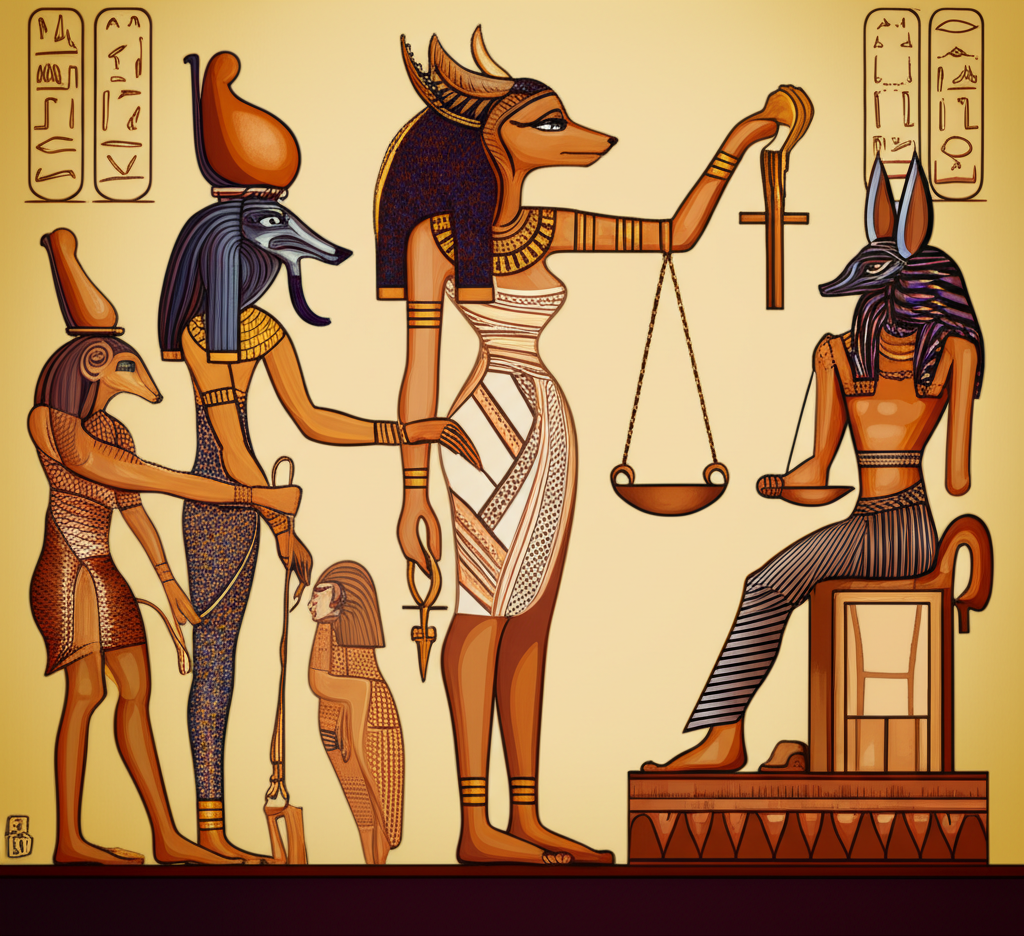
Introduction:
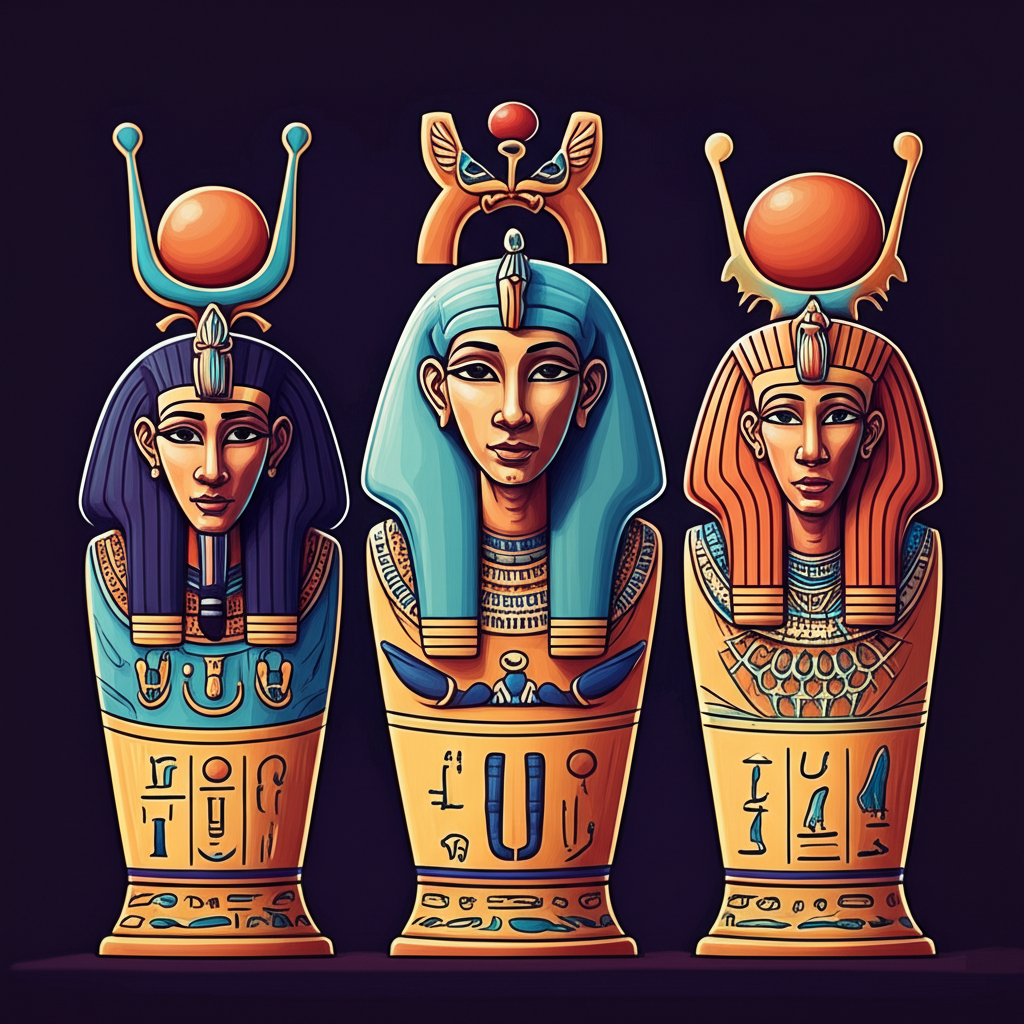
The story of Sekhmet and the Weighing of the Heart originates from the rich tapestry of ancient Egyptian mythology. It is a traditional story, a product of the beliefs and imaginations of the people who lived along the fertile banks of the Nile thousands of years ago. It is a tale of gods and goddesses, of judgment and the afterlife, of morality and cosmic balance. This narrative, like many from ancient civilizations, offers us a window into the worldview of a society vastly different from our own.
Origins and Cultural Background:
The setting for this story is ancient Egypt, a civilization that flourished for over three thousand years, from roughly 3100 BCE to 30 BCE. The Egyptians lived in a world deeply intertwined with the annual cycles of the Nile River, the scorching sun, and the vast, starry heavens. Their worldview was cyclical, characterized by rebirth, renewal, and the eternal struggle between order (Ma’at) and chaos (Isfet). They believed in a pantheon of gods and goddesses, each with their own domain and responsibilities, who interacted directly with the world of humans. These deities were not abstract concepts; they were powerful beings who influenced every aspect of life, from the harvest to the afterlife. The Egyptians saw the world as a complex, interdependent system, and they sought to understand and appease the gods to maintain balance and prosperity. Death was not the end, but a transition, a journey through the underworld that culminated in a final judgment.
Character/Creature Description: Sekhmet
Sekhmet, the “Powerful One,” was a fierce and formidable goddess, often depicted with the body of a woman and the head of a lioness. Her very presence radiated power and danger. The lioness head was no accident, as it connected her to the apex predator, symbolizing her strength, hunting prowess, and protectiveness. Her gaze, it was said, could incinerate her enemies, and her breath was the desert wind itself. Sekhmet represented the destructive power of the sun, the heat and fury that could wither and destroy. She was also a goddess of healing and protection, a testament to the dual nature of power. The Egyptians believed that Sekhmet was the divine force that guarded the pharaoh and protected the realm from its enemies. While often associated with wrath and punishment, she could also be appeased, transformed into a benevolent force, through offerings and rituals.
Main Story/Narrative Retelling:
The deceased, having journeyed through the treacherous underworld, now stood before the Hall of Judgment, the Ma’at (Truth). It was a grand chamber, bathed in an ethereal light. At the center, the scales of justice awaited, overseen by the jackal-headed god Anubis, the guardian of the dead. The heart of the deceased, the seat of their emotions, thoughts, and memories, was placed on one side of the scales. On the other side rested the feather of Ma’at, the symbol of truth, justice, and cosmic order.
Seated upon a throne, surrounded by other deities, sat Osiris, the god of the afterlife, and ruler of the underworld. But before Osiris could pronounce judgment, the heart had to be weighed. The air crackled with anticipation.
Anubis, with his solemn gaze, carefully balanced the heart and the feather. If the heart was lighter than the feather, the deceased was deemed worthy and could pass into the afterlife, entering the Fields of Reeds, a paradise of eternal bliss. But if the heart was heavier, weighed down by the sins of the deceased – deceit, treachery, selfishness – then a terrifying fate awaited.
For, lurking nearby, was Ammit, the "Devourer of the Dead." She was a monstrous creature, a composite of a crocodile, a lion, and a hippopotamus, each element representing a force of destruction. Ammit, with her gaping maw, waited to consume the unworthy heart, condemning the soul to eternal oblivion.
It was during this critical moment that Sekhmet’s presence became crucial. If the deceased had lived a life of wickedness and the heart was heavy with sin, Sekhmet’s fiery energy would be unleashed, and the balance of the scales would be disrupted. It was thought that her presence could tip the balance, revealing the true nature of the heart. The very weight of the heart, the essence of one’s deeds in life, would determine their eternal fate.
The story was a profound meditation on morality. It emphasized the importance of living a life of virtue, of adhering to the principles of Ma’at. The Egyptians understood that actions had consequences, that the choices one made in life would ultimately determine one’s fate.
Symbolism and Meaning:
The story of Sekhmet and the Weighing of the Heart is rich in symbolic meaning. Sekhmet, representing both destruction and healing, embodies the duality of power. The heart symbolizes the essence of the individual, their thoughts, emotions, and deeds. The feather of Ma’at represents truth, justice, and the cosmic order. The scales signify the balance between good and evil, virtue and vice. The afterlife judgment itself reflects the Egyptian belief in accountability and the consequences of one’s actions. The entire narrative served as a moral compass, guiding individuals towards righteous behavior and emphasizing the importance of ethical conduct. It was a potent tool for social cohesion, encouraging people to act in accordance with Ma’at, thus maintaining harmony within the community. It also reflects the Egyptian belief in life after death, and the importance of preserving the body for the afterlife.
Modern Perspective:
The myth of Sekhmet and the Weighing of the Heart continues to resonate in contemporary culture. It is a frequent subject in literature, movies, video games, and graphic novels, often reinterpreted to explore themes of morality, judgment, and the consequences of one’s actions. The story’s themes of good versus evil, accountability, and the search for truth are universally relatable, making it a compelling subject for storytelling across various media. It continues to be a source of inspiration for artists, writers, and designers who seek to explore the human condition. In academic circles, this myth is studied in cultural studies, history, and anthropology, providing insight into the ancient Egyptian belief system and their worldview.
Conclusion:
The tale of Sekhmet and the Weighing of the Heart is a captivating narrative from a distant past, a testament to the ingenuity and imagination of the ancient Egyptians. It is a cultural story, a reflection of their beliefs about life, death, and the afterlife. As Muslims, we recognize that Allah is the sole Creator and Sustainer, and we find our guidance in the Quran and the Sunnah. This story, though not a basis for belief, provides us with a valuable glimpse into the cultural heritage of a civilization that thrived long ago. It reminds us of the enduring power of storytelling, the capacity of the human imagination to create worlds and explore profound questions about morality, justice, and the human condition. It is a reminder that through storytelling we can learn from the past, reflect on our own values, and appreciate the diversity of human experience.