fufufafa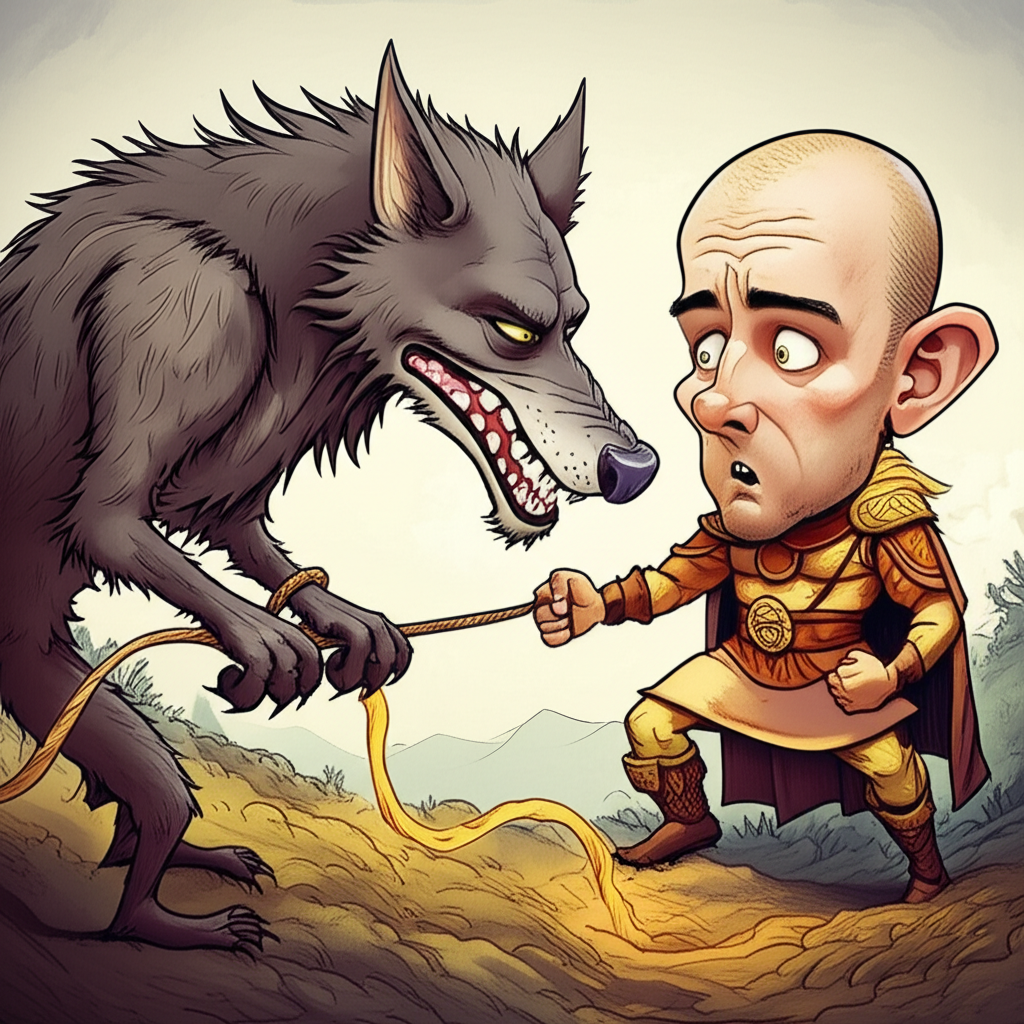
Introduction:
This is a tale from the rich tapestry of Norse mythology, the traditional stories of the ancient Scandinavian and Germanic peoples. Passed down through generations via oral tradition and later recorded in texts like the Prose Edda and Poetic Edda, these myths offer a glimpse into the worldview, beliefs, and values of a bygone era. This particular story focuses on two distinct, yet intertwined narratives: the binding of the monstrous wolf Fenrir and the ominous premonitions surrounding the god Baldr. It is important to remember that these are traditional stories, not historical accounts or religious doctrines, but rather narratives that reflect the cultural and social context of their time.
Origins and Cultural Background:
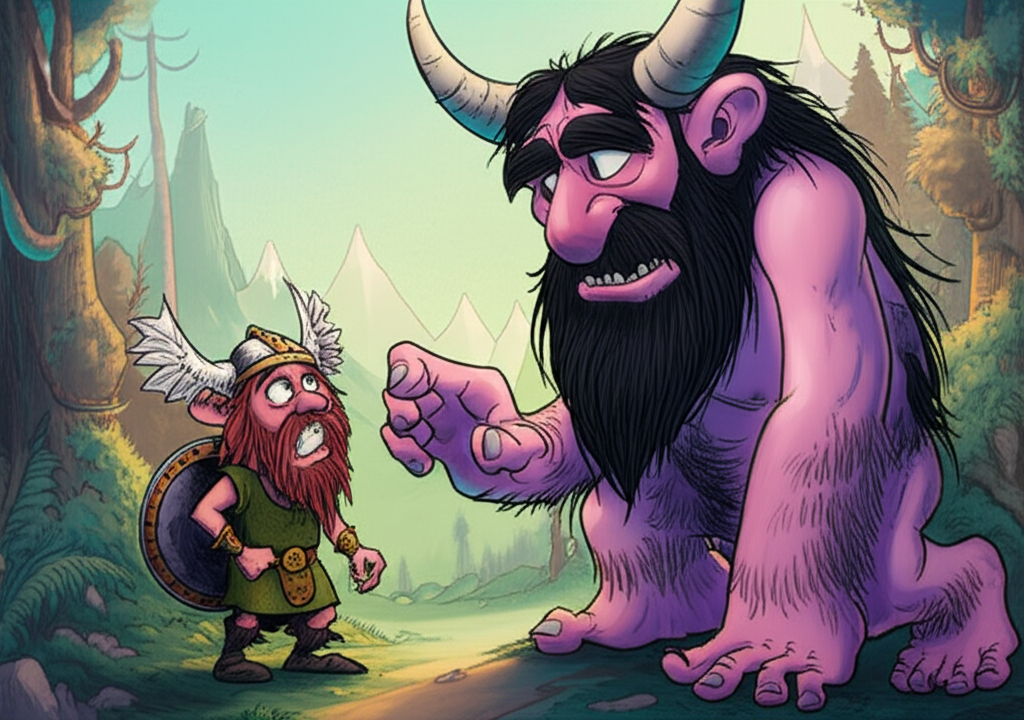
The Viking Age, roughly spanning from the late 8th to the mid-11th century, was a period of significant cultural expression in Scandinavia. It was a time of exploration, trade, and warfare, shaping the Norse identity. The people of this era lived in a world dominated by the forces of nature, where the cycles of seasons, the unpredictability of the sea, and the harshness of the landscape profoundly influenced their lives. Their mythology was deeply intertwined with this environment, populated by gods, giants, and monsters representing the forces of creation and destruction. They believed in fate, the concept of wyrd, and that even the gods were bound by it. The stories served not only as entertainment but also as a means of explaining the world around them, providing moral guidance, and preserving their cultural heritage. They saw the world as divided into nine realms, connected by the world tree Yggdrasil, including Asgard, home of the gods; Midgard, the realm of humans; and Jotunheim, home of the giants.
Character / Creature Description:
-
Fenrir: Fenrir, also known as Fenrisúlfr, is a monstrous wolf, the offspring of the god Loki and the giantess Angrboða. He is depicted as a creature of immense size and power, embodying chaos and destruction. Symbolically, Fenrir can be interpreted as representing the untamed forces of nature, the threat of the unknown, and the potential for destruction that lies within even seemingly benign things. The fear he inspires represents the anxieties of a society constantly facing the precariousness of existence.
-
Baldr: Baldr, also known as Balder, is the son of Odin and Frigg, and is considered one of the most beloved of the Aesir gods. He is depicted as being fair, wise, gentle, and beautiful, radiating light and goodness. Symbolically, Baldr represents beauty, innocence, and the fragility of life. His vulnerability and ultimate demise reflect the Norse preoccupation with fate and the inevitability of death, even for the gods.
Main Story / Narrative Retelling:
The tale begins with ominous dreams plaguing Baldr, son of Odin and Frigg. These dreams foretold his death, casting a shadow over Asgard. Frigg, desperate to protect her beloved son, traveled throughout the nine realms, extracting oaths from every creature, object, and force of nature not to harm Baldr. She believed she had made him invulnerable, and joy returned to Asgard as the gods began throwing objects at Baldr, laughing as nothing could hurt him.
However, Loki, the trickster god, ever mischievous and resentful, discovered Frigg’s oversight. He learned that she had deemed the mistletoe too young and insignificant to warrant an oath. Disguised as an old woman, Loki approached the blind god Höðr, Baldr’s brother, who stood on the sidelines, unable to participate in the games. He offered Höðr a mistletoe dart, guiding his hand, and urged him to join the fun. Höðr, unknowingly manipulated, threw the dart, and it pierced Baldr’s heart. The radiant god fell dead, plunging Asgard into despair.
Simultaneously, the story of Fenrir unfolds. The gods, wary of the wolf’s rapidly growing size and ferocity, feared the prophecy that he would one day bring about Ragnarok, the twilight of the gods. They attempted to bind him with increasingly strong chains, but Fenrir effortlessly broke them all. Finally, Odin commissioned the dwarves to forge Gleipnir, a seemingly thin and silken cord made from impossible ingredients: the sound of a cat’s footsteps, the beard of a woman, the roots of a mountain, the sinews of a bear, the breath of a fish, and the spittle of a bird.
The gods presented Gleipnir to Fenrir, challenging him to break it as he had broken the others. Fenrir, suspicious of its delicate appearance, demanded a guarantee of good faith. He insisted that one of the gods place their hand in his mouth as a pledge. Tyr, the god of justice and courage, volunteered, knowing the consequences. As Fenrir struggled against Gleipnir, he realized he was truly bound. Enraged, he bit off Tyr’s hand. The gods then secured Fenrir to a rock deep underground, pinning his mouth open with a sword. There, he would remain, howling in pain and fury, until Ragnarok.
Symbolism and Meaning:
The story of Baldr and Fenrir is rich in symbolism. Baldr’s death represents the inevitable decay of beauty and innocence, even in the realm of the gods. It highlights the Norse belief in fate and the fragility of life. Loki’s role in Baldr’s death underscores the presence of chaos and malevolence in the world, while Frigg’s desperate attempt to protect her son symbolizes the power of maternal love and the futility of trying to circumvent destiny.
The binding of Fenrir represents the struggle to contain destructive forces and the sacrifices required to maintain order. Tyr’s sacrifice of his hand symbolizes justice, courage, and the willingness to pay a price for the greater good. The impossible nature of Gleipnir suggests that the containment of chaos sometimes requires unconventional and even magical solutions. The stories together could be seen as a commentary on the precarious balance between order and chaos, and the inevitability of destruction, even in a world governed by gods.
Modern Perspective:
The tales of Baldr and Fenrir continue to resonate in modern culture. Baldr’s death, in particular, is often reinterpreted in literature, film, and video games as a symbol of loss, sacrifice, and the end of an era. Fenrir appears in various forms, often as a formidable enemy or a symbol of untamed power. These myths are also studied in academic circles to understand Norse religion, culture, and the worldview of the Viking Age. They continue to inspire artists, writers, and game developers, who draw upon the rich imagery and themes to create new and engaging narratives.
Conclusion:
The stories of Baldr and the binding of Fenrir are powerful examples of Norse mythology, offering insights into the beliefs, values, and anxieties of the ancient Scandinavian people. They are captivating tales of gods, monsters, and heroes, reminding us of the enduring power of storytelling to shape our understanding of the world and ourselves.
As Muslims, we recognize that these are cultural stories and not religious beliefs. We acknowledge that only Allah is the true Creator and Sustainer of the universe. However, appreciating these narratives allows us to connect with a rich cultural heritage and understand how ancient people used imagination and storytelling to make sense of their world. These tales remind us of the importance of preserving cultural traditions while remaining steadfast in our faith and understanding that true power and creation belong solely to Allah.