fufufafa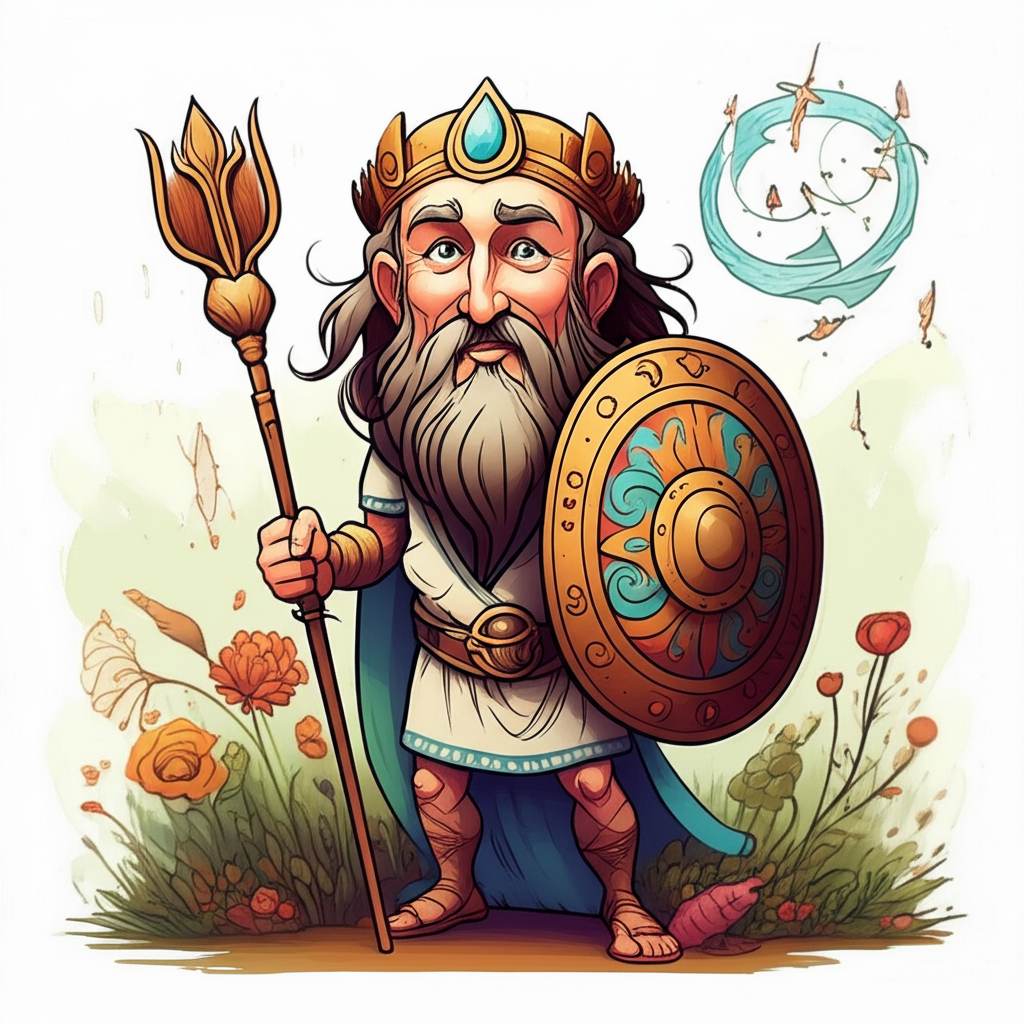
The biting winds of late winter, carrying the first tentative promises of spring, often stir echoes of old stories. Among these, the tales from ancient Ireland, rich with the magic of the land and its people, hold a particular resonance. One such narrative, woven around the figure of Nuada and the observance of Imbolc, offers a glimpse into the worldview of a society deeply connected to the cycles of nature. It is important to understand that these are traditional stories, passed down through generations by ancient peoples, reflecting their interpretations of the world, and are not to be taken as literal truth or divine doctrine.
The cultural era in which these myths likely took root was that of Iron Age Ireland, a time when the land was largely agrarian, and survival was inextricably linked to the rhythms of the seasons. Societies were organized around kinship and chieftains, with a deep reverence for the natural world. The ancient Irish viewed the world as imbued with spiritual forces, where the boundaries between the mundane and the mystical were fluid. They saw the divine not in a single, all-powerful entity, but in the very fabric of existence – the sun, the moon, the rivers, the forests, and the changing seasons. Each festival, each significant event, was an opportunity to acknowledge and commune with these forces, seeking balance and prosperity. Imbolc, falling around February 1st, was one such pivotal moment. It marked the halfway point between the winter solstice and the spring equinox, a time of transition, of thawing ice and the first stirrings of life.
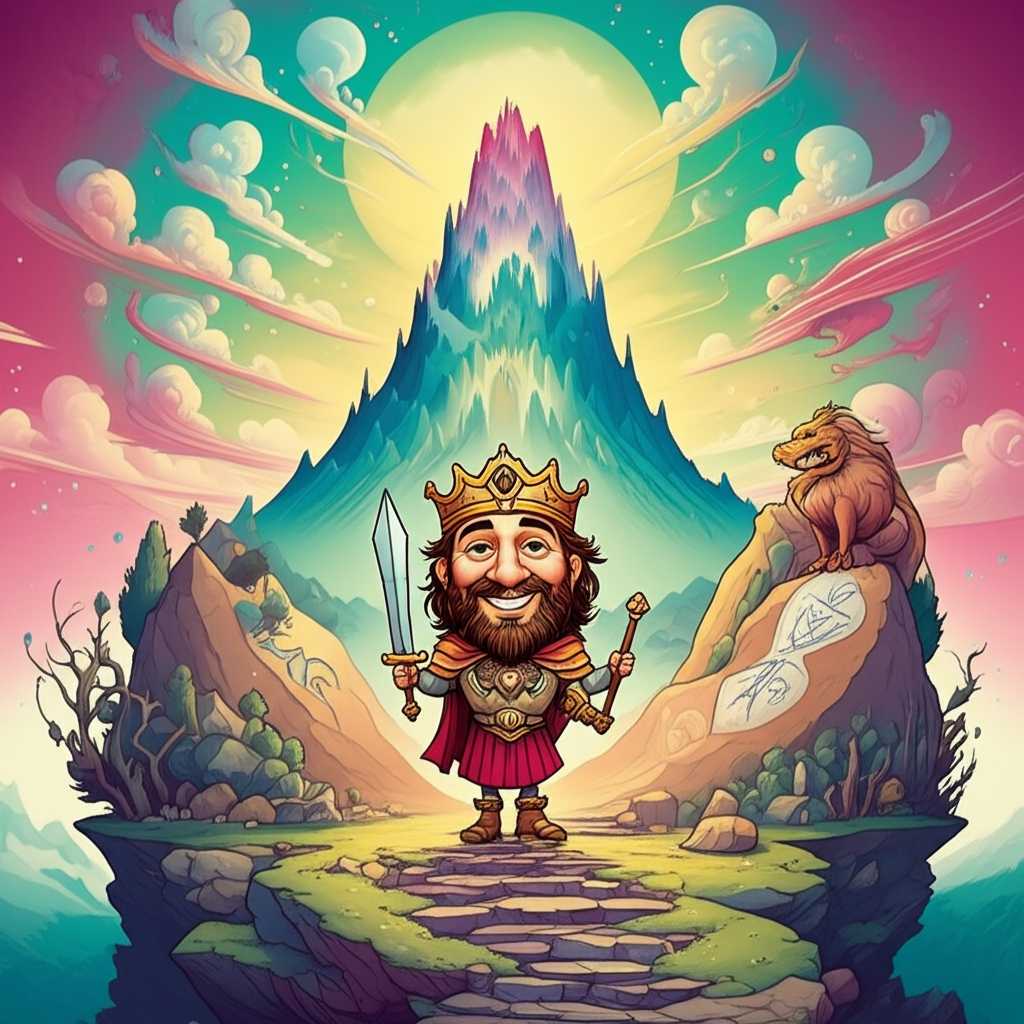
Within this context, the figure of Nuada emerges as a significant, though often complex, character in Irish mythology. Nuada is not a god in the Abrahamic sense, but rather a legendary king of the Tuatha Dé Danann, a semi-divine race of beings who, in the myths, inhabited Ireland before the arrival of humans. He is often depicted as a wise and just ruler, a leader who embodies the ideals of his people. His most striking characteristic, and one that carries immense symbolic weight, is his hand. In one prominent tale, Nuada loses his hand in battle against the Fomorians, monstrous beings representing chaos and destruction. This wound, this loss of wholeness, becomes a central theme. His hand is then replaced with one crafted from silver, a testament to ingenuity and resilience, but it is not a perfect restoration. This "silver hand" symbolizes not just physical injury and its aftermath, but also the inherent imperfection that can accompany even the greatest of leaders, and the need for adaptation and overcoming adversity. Nuada’s symbolic attributes are those of kingship, courage, sacrifice, and the enduring struggle against opposing forces, all viewed through the lens of a world where physical and spiritual well-being were intertwined.
The narrative of Nuada and the journey of Imbolc, while not a single, monolithic tale, often weaves together themes of renewal and the challenges of overcoming darkness. Imagine the harshness of an Irish winter, the land lying dormant, life held in a fragile suspension. Imbolc arrives not with a fanfare of summer blooms, but with a subtle shift in the air, a softening of the frost. It is a time when the first signs of life, however faint, begin to appear. Ewes would be giving birth, their milk a vital source of sustenance after the lean months. The legend might tell of Nuada, as a king deeply attuned to his land, recognizing this crucial turning point. Perhaps his silver hand, a constant reminder of past struggles, feels the chill of the remaining winter, yet also the nascent warmth of the returning sun.
The "journey" of Imbolc, as embodied by Nuada, is not a physical trek across the land, but a metaphorical progression from the depths of winter’s grip towards the burgeoning energy of spring. It is a journey of hope, of perseverance. The ancient peoples might have envisioned Nuada undertaking symbolic rituals on Imbolc, perhaps involving the purification of hearths, a cleansing fire to banish the remnants of winter’s negativity, mirroring the internal cleansing and renewal sought by individuals and communities. He might have consulted with the seers and druids, interpreting the subtle signs in nature – the flight of birds, the patterns of the stars – to gauge the land’s readiness for abundance. The story could depict him leading his people in acts of communal preparation, mending tools, tending to livestock, and planning for the coming planting season. The challenges Nuada faced, even with his silver hand, would have been manifold: the lingering threat of famine, the specter of illness, and the ever-present possibility of renewed conflict. His leadership would have been tested by the need to maintain morale and inspire confidence in the face of uncertainty. The narrative would emphasize his resilience, his ability to draw strength from the very cyclical nature of existence, understanding that just as winter eventually yields to spring, so too do periods of hardship give way to times of growth.
The symbolism embedded within the story of Nuada and Imbolc is multifaceted. The silver hand, as mentioned, represents not just physical impairment but the enduring human capacity to adapt and overcome. It speaks to the acceptance of flaws and the pursuit of strength even in imperfection. Imbolc itself symbolizes purity, rebirth, and the awakening of the earth. The milk of the ewes, a prominent feature of Imbolc, signifies nourishment, fertility, and the continuation of life. Nuada’s role as king reflects the importance of leadership in guiding a community through periods of transition and potential hardship. The entire narrative can be seen as an ancient representation of the fundamental human experience of facing adversity, finding inner strength, and embracing the promise of renewal. It speaks to the profound connection between humanity and the natural world, acknowledging the power of cyclical change and the hope that lies in the turning of the seasons.
In the modern world, these ancient myths continue to resonate, albeit in different forms. Nuada and the Tuatha Dé Danann are popular figures in contemporary fantasy literature, video games, and role-playing games, where their stories are reinterpreted and reimagined for new audiences. Imbolc itself is observed by some contemporary pagan and Wiccan traditions, often focusing on themes of purification, illumination, and the anticipation of spring. Cultural studies scholars analyze these myths for insights into the social, religious, and philosophical beliefs of ancient Celtic societies. These narratives serve as a rich tapestry of human imagination, offering a lens through which to understand ancient ways of thinking about the world and humanity’s place within it.
It is crucial to reiterate that the story of Nuada and the journey of Imbolc is a traditional narrative, a product of ancient storytelling and cultural interpretation. It is not a factual account, nor is it a belief system. As Muslims, we recognize that only Allah (God) is the true Creator and Sustainer of the universe, the ultimate source of all power and existence. These ancient tales, while captivating and insightful, exist within the realm of human imagination and cultural heritage. They remind us of the enduring human need to find meaning in the world around us, to celebrate the cycles of nature, and to tell stories that reflect our hopes, fears, and aspirations. In appreciating these myths, we engage with the rich tapestry of human history and the power of storytelling to connect us to our past and illuminate our understanding of diverse cultural traditions.